


Tackling Telehealth Limitations
Episode 2: In this podcast, Ms Jones interviews Meg Rowe, MS, RDN, LDN, FADA, FAND, and Steve Della Croce, MS, RDN, CND, about how licensure impacts telehealth for the registered dietitian nutritionist, the limitations for those interested in pursuing telehealth, and what is next on the horizon for telehealth licensure.
Additional Resource:
- Academy unveils telehealth stance for use in the policy and advocacy initiatives. Eat right pro. Academy of Nutrition and dietetics. April 12, 2021. Accessed February 24, 2022. https://www.eatrightpro.org/news-center/on-the-pulse-of-public-policy/from-the-hill/academy-unveils-telehealth-stance-for-use-in-policy-and-advocacy-initiatives
- Nutrition Practice Management. Accessed March 2, 2022. https://nutritionmgnt.com/
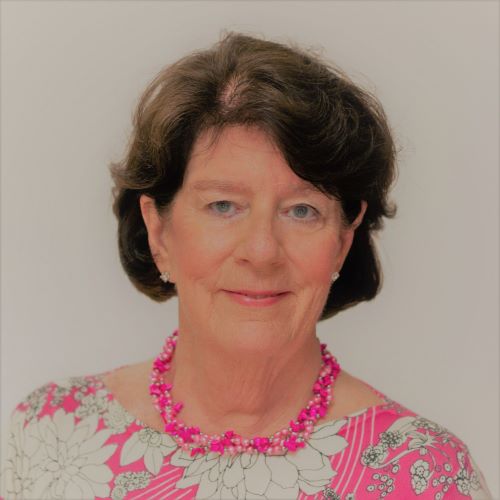
Meg Rowe, MS, RDN, LDN, FADA, FAND, is chair of the Academy of Nutrition and Dietetics Telehealth Task Force and chair of the Pennsylvania Licensure Task Force.
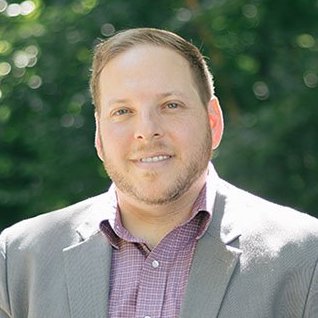
Steve Della Croce, MS, RDN, CND, is the founder of Nutrition Practice Mangement.
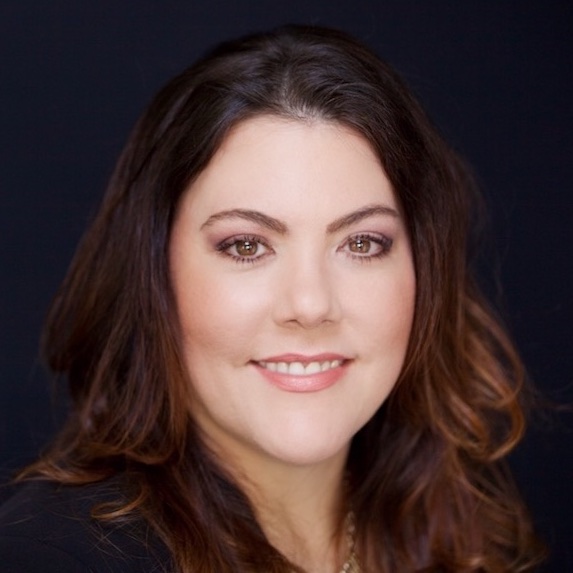
Lisa Jones, MA, RDN, LDN, FAND, is a registered dietitian nutritionist, speaker, and author based in Philadelphia, Pennsylvania.
TRANSCRIPTION:
Moderator: Hello, and welcome to Nutrition411: The Podcast. A special series led by registered dietician and nutritionist, Lisa Jones. The views of the speakers are their own and do not reflect the views of their respected institutions.
Lisa Jones: Hi, and welcome to Nutrition411: The Podcast, where we communicate the information, you need to know now about the science, psychology and strategies behind the practice of dietetics. I am Lisa Jones and I am so excited to have both of you here with me today, fantastic guests Meg Rowe and Steve Della Croce. Welcome Meg and Steve.
Meg: Thank you.
Steve: Great to be here.
Lisa Jones: Firstly, I want to introduce Meg. Meg is a registered dietician who has worked in nearly every area of her profession and now volunteers her time with advocacy efforts for the Academy on Nutrition and Dietetics and Pennsylvania Academy of Nutrition and Dietetics in areas such as policy licensure and the law. In her spare time, she golfs, reads, travels and volunteers with her church and food security related groups, such as Meals on Wheels and The Community Garden. And welcome Meg.
Meg: Thank you.
Lisa Jones: Next I want to introduce Steve. Steve has been a registered dietician for over 17 years. He began as a renal dietician and opened his private practice in 2005 while holding positions as chair of the Council on Renal Nutrition of greater New York and president of the Long Island Academy on Nutrition and Dietetics. Since then he has focused on mentoring RDNs on billing insurance for medical nutrition therapy and created nutrition practice management in 2017 to serve all dieticians in their private practice. Welcome Steve.
Steve: Thank you.
Lisa Jones: This is exciting. Today we're going to be talking about telehealth and licensure and all the kind of questions that dieticians like to ask frequently. If you keep seeing these questions over and over and again, and today we have two experts. So first, I want to start with the question that everyone likes to ask. How does licensure impact telehealth or the RDN. And I'll start with Meg.
Meg: Lisa, you asked a straightforward question and unfortunately there's no simple and straightforward answer. Before we can look at some of the things dieticians need to consider regarding licensure and telehealth, let's take a look at some basic facts. The public health emergency took us by surprise and it pushed everyone to use or increase telehealth in providing care. Use of telehealth by all practitioners increased about 154% during the pandemic. For dieticians specifically, it increased from 37% providing it before the pandemic to about 80% practicing it during and after the pandemic. Secondly, there's no consistency between states regarding dietician licensure or telehealth laws. Presently two states have no dietetic licensure, 21 states have title protection and the others have practiced exclusivity laws. While most states or territories had telehealth laws on the books before the pandemic, seven states had absolutely no telehealth laws at all. But during the pandemic, all states made temporary changes or waivers.
These changes vary widely between states and many states have either extended, removed or changed the waivers. As of today, reimbursement laws and rules or more varied and Steve, you'll talk about this because it's so complex. But this set of facts tells us that using licensure alone doesn't really answer the question. There are some basic guidelines that dieticians can rely on. If all of your patient client interactions are within the state in which you're licensed and you're compliant with the recognized standards and laws, you're not likely to have significant licensure issues regarding telehealth provision. However, if you electronically interact with patients and clients in other states, generally, and underline that word generally, you must be licensed or certified in each state in which you electronically practice. The important thing here is to make sure that you follow the licensure and telehealth laws in your state and in the state in which your patient or client resides.
So the bottom line, do your homework, check the state licensure and telehealth laws, and the status of changes made during the pandemic. If you're practicing across state lines, check the licensure and telehealth laws and rules in those states. Dietetic licensure boards are a great place to start. They can be difficult to connect with because of the massive numbers of information requests that are coming out. The Academy's licensure map is also a good resource. Do plan to have a bunch of questions and seek advice from your state's regulatory specialists, reimbursement specialists, with the Academy's government affairs office, and finally sign up for the academy telehealth webinars, they're free and they're generally excellent. The academy also instituted a discussion board and also used resources on [inaudible 00:05:05] pro.org/telehealth.
Lisa Jones: Thank you. So listening to that, I can understand why many dieticians are confused because everything keeps changing. And this is a popular question that you get, or that we see frequently. Do I have to be licensed from practicing telehealth virtually? Do I have to be licensed in that particular state? That's one I see at least once a week somewhere in some channel, on Facebook, wherever the group is, very common. So I want to go to Steve because you primarily specialize in helping dieticians navigate, and it sounds like the waters are muddy. So what would you say to that same question? How in terms of licensure impacting telehealth for the RDN?
Steve: So thanks for inviting Meg to present today because she gave the answer that everyone needed to hear, and that was about as concise as it's ever going to get it, it was excellent. And the RND really does have a good map that could guide dieticians with which states are licensed and which states are certified, which states are not licensed and where telehealth is reciprocated across certain states like Florida's one example. Muddy and gray are the two terms I use every time I talk about telehealth right now, it's just there's no way around it. I know it'd be great if all dieticians were licensed across all states, we'll see if that happens. It's not the case with most professions, so don't count on it anytime soon. And I don't know why states have to have different rules of telehealth. It really doesn't seem to be up to date with what the reality is.
So I hate to say it, but sometimes good things come out of this pandemic. And one might be that these states might realize that it's a valuable service that really needs to be available to everyone. But again, not going to hold my breaths for that, everyone follows Medicare most of the time, and Medicare did take the lead with telehealth and really allowing us to practice and serve our patients during in the pandemic. I think they did a good job of that, because it really didn't need to be restricted. That being said, I'm sure a lot of people listening to this are questioning the new telehealth code for 10, with a patient in the house which I think makes no sense. So it's never going to be simple or well accepted across the board. So the best thing to do is absolutely take Meg's advice. Sorry, but you have to do your homework.
You have to know what you're dealing with. Even if dieticians never get sued, it doesn't mean you want to take that risk or lose your license or have any penalties, just not worth it for the handful of patients you might see across state lines. There are a lot of dieticians creating great online businesses, serving more and more people across the country, and they want to be able to cross those lines and just help anyone who comes through their website. But you have a professional license and it needs to be managed appropriately. So really use those maps that were mentioned, maybe we could even add it, show notes or share with everyone listening because it is a good start and it really could help. But the second you hear somebody lives in another state, you need to pause before you just go ahead and see them.
Lisa Jones: Yeah. That's great advice. I love the, "make sure you do your homework and read the information" and we will put in the show notes those links, because I think those resources are in valuable and definitely everyone should be checking them out to make sure that they're following what they should do. And just a quick follow up question Steve, a lot of dieticians that are reaching out to you for help, do you find them if they're overwhelmed or confused? You mentioned the money in the gray. Do you think that prevents them from proceeding further with this telehealth right now where things have been the way they've been or do you think once you kind of help them and coach them, then they're like, "Okay, I get it now I'm not..." Because a lot of the questions I see in the Facebook groups and the questions that are being asked, they're kind of saying, I want to help this person that's in a different state, but I'm not licensed in X state. So then they still want to see the person, but you're telling them, "No you can't."
Steve: Yeah. Well, and I don't blame them. They have a business throw and they want to have that revenue. So I don't blame them, and they're good at what they do and that patient has a need for what they offer. So I'm not going to say help everyone because usually it's those starting out that are confused about it. Those who are established know what to do. And then the conversation usually turns to, "Hey, what can you do on a regular basis as far as which clients you're seeing that you're not going to get in trouble for? What do you butter your bread with? What is it that you do on a regular basis that's within the guidelines, within your state licensure, et cetera." Don't focus on that one off client from another state, maybe just refer it out, just avoid the headache. So it usually comes with, again they haven't really looked into it in detail, they're starting out, they want this online business so they're asking the question but they know the answer.
Lisa Jones: Yeah. That's great. I love that advice about that client that you can help. And there's always another dietician in that state that will respond and say, "Oh, I can take that client on," and then it becomes that reciprocal relationship and then they think of you next time, "You gave me a client, here's your client." So you're still getting a client, you're not crossing state lines to do it. So that's great. [crosstalk 00:10:18].
Steve: Sorry, I do want to mention there's been some savvy dieticians who basically say, "Hey, I'm going to go and get licensed in every state or I'm going get licensed in a bunch of states." It's pretty hard to do, it takes a lot of work and investment and it doesn't always work out. Don't assume we can get licensed in every state, but you can be strategic. I have some clients who were really strategic and who move and they really kept their license and have clients in those states, but it's for maybe five states and that's it.
Lisa Jones: Well, I think it makes sense if it's in the vicinity of like where we live, like New York, New Jersey, Pennsylvania type thing, and you're licensed in all the states. That makes sense. But if you're trying different, to across the country, like you have to go get licensed in California and you live in New Jersey, then I don't know. It doesn't make any sense to me, but I don't know why. So Meg, I have a question for you. What are the limitations for those interested in pursuing telehealth? Somebody that's brand new, that's like, "You know what? I need a new way to make money. I don't want to work in clinical dietetics in the hospital anymore. I want to be a telehealth dietician. Full-time and work for myself. What do I do?"
Meg: Okay. Well, first thing is to get educated and you started out and mentioned Medicare. So I'm going to follow up with that a little bit. Medicare is the largest health provider in the United States and covers into visuals 65 years of age and over as well as some people with disabilities. Dieticians have been legally permitted to provide MNT via telehealth to Medicare patients under certain circumstances. Since about 2006, Medicare was the first healthcare provider because that's what Medicare is during the pandemic that made a series of allowances for telehealth provision. Some were directly directed at dieticians, but some were basically directed at any individual that is a Medicare provider. So some of these allowances that people have to keep in mind may end when the public health emergency is declared over. Now for the federal government, federal government Medicare can only change the end of the public health emergency every 90 days.
So at this point in time, they have reuped the public health emergency every 90 days since the pandemic was started, early mid to late March of 2020. And what they did was they allowed patients to be able to receive services in their home because prior to the pandemic, Medicare patients had to be in a particular location outside of their home in order to get services provided by a dietician. But during the pandemic, the patient could be in their own home. They also allowed audio only interactions. Prior to the pandemic, it had to be an audio visual interaction, but during the pandemic with the recognition that not everyone had audio visual capabilities or the tech-savvy to be able to handle, let's say a Zoom call, they allowed the use of smartphones and things like that for audio only interactive. The federal government under Medicare waived many of the licensure requirements, just to make it easier for people to be able to get telehealth services from a variety of sources.
They also said that copays could be made optional and they also waived some of the HIPAA or some of the privacy requirements. Now buying anything unforeseen right now, the public health emergency from the federal standpoint will end as of April 16th of this year. However, most people that I talk to and that I read about indicate that the public health emergency from a federal standpoint will continue at least until the middle to the end of 2023, and maybe even into 2024. If you deal with Medicaid patients, keep in mind that even though it's a federally sanctioned program, but Medicare is paid for in part by the federal government, but also by the states. So what the federal government allows for Medicaid patients, is that each state can make their own rules. So if you're working with Medicaid patients via telehealth, whether it's within your own state or across state lines, it's best to contact your state's Medicaid office for direction in that area.
But when you get to private payers, there are almost 6,000 different health insurance companies in the United States. And each company has many plans, and each company and plan have different rules and regulations. So the best way you can determine what you need to know and what you can do, is to solicit information from each company that your patients are insured under. I have colleagues for example who in calling for pre-authorization asked for the specific plans, telehealth coverage, and payment information. Another consideration is to contact the companies your patients use to ask that you be placed on their mailing list for updates, for their coverage and their payment rules and regulations.
Now, as a general rule, most of the private payers follow what Medicare did during the pandemic and made many of the same allowances that I just talked about. But the issue here is that dieticians that are in private practice have to check with each insurance company to make sure that those insurance companies are still allowing those waivers or the allowances to continue because some are, some are not and some have added additional waivers or allowances. So you just have to make sure that dependent on the insurance that the patient has, whether it be Medicare, Medicaid, or private pay, that you're functioning within not just their laws, but their rules and regulations. So yes, it's a muddy mess.
Lisa Jones: So it sounds to me like you can't just hang out a shingle anymore and say, "I'm a telehealth dietician. I'm going to start practicing today." Because what you're describing takes lots of practice and advanced planning in order to set yourself up for success, it sounds like. I wrote down the number 6,000, wow! That's huge. And that's a lot of preparation which I want to go over to Steve for a second, because you're probably helping the dieticians navigate through that, like all the different insurances and you get calls from all over the country. So what would you say to... That sounds to me like a that's a limitation in itself.
Steve: Yeah. Logistically and Meg popped up a good point, you have to check with each insurance companies, see what the policy is currently. Some insurance companies will even tell you, "This current waiver or this current allowance will expire on April 30th," and then they may extend it the day before. That's fine, but if you're seeing a patient for a time before then you do need to know what's covered. So it means contacting the insurance companies, another great point Meg made and get on their newsletter letters, they will update policies pretty frequently and send it out.
So it's logistical, it's tough, it's really challenging especially as most dieticians start out by themselves and they don't have an admin or anyone working in the office, they're the ones making those phone calls to check on the benefits for each patient. And you could put it on the patient to a point by accuracy and all that detail may not come through with the patient's calling and checking on their benefits. So you do need to know what you're dealing with and make those phone calls, cover yourself at least until things are almost until we're out of the pandemic and there's normalcy, but there's always going to be change. Don't assume anything.
Lisa Jones: What would you say Steve is a realistic timeframe for a new dietician that wants to be a telehealth dietician? Like if they came to you and said, "Tomorrow, I want to start this telehealth business. This is all I want to do?" How much lead time do you think they would... What's a realistic expectation? Because it sounds like that all takes time.
Steve: Let's say they wanted to be, we'll call it a cash-based business and not take insurance, it's a shorter runway. They can just get their marketing up and running and go ahead. But I would make sure that they have their telehealth portal, whatever they're using, make sure that they have that HIPAA compliant, a business associate agreement between them and the vendor. So let's say Zoom is very popular. If you buy a Zoom account, you have to ask for a business associate agreement which is a contract between you and the vendor Zoom, saying that you're both going to respect HIPAA information. That has nothing to do necessarily with just insurance. This is just health insurance information that patient's communicating with you, so be careful. Doxy.me is a free platform but still carve yourself. And so other than marketing and having some things in place just to be HIPAA compliant, it could be relatively quick.
That's a whole separate conversation just to be figuring out like how quickly can your marketing actually pay off? How quickly can pay patients knock on your door virtually? So that could take months. I always say it's at least three to six months a runway. And then if you're dealing with insurance and credentialing and contracting, at least three to six months, maybe more on top of it. Some are quicker than others, but you have to have a plan. And for those of you who want, just quit your job tomorrow and start a private practice, have a plan, give yourself 6-12 months at least to really have some revenue coming in and figure a few things out.
Because what I always tell people is, we don't get any training on how to become a business owner when we go to school to become a dietician. There's a lot to know. And I spent a lot of years just learning about business before, just nutrition. So if you don't have that background, there's just a lot more that you don't know than you do know. Now I'm not being negative, I'm a business owner, I love it, I would encourage you to do it too. Just really make a plan and give yourself six months at least to really expect it to flourish.
Lisa Jones: That's so helpful. As an entrepreneur or as a dietician in general, we never stop learning. So I feel like even in the midst of pandemic increased that, there was always a webinar, another, oh, I don't know about this, let me hop on and listen to this webinar. So I think that again, it goes back to what Meg originally said was, do your homework, planning and preparation. Which leads me to my next question, which is actually a question for you. What question have you received the most about telehealth so far? What is the most popular question you've received?
Meg: Well, the first question was the one you started out with. I live in, pick a State, can I take care of patients via telehealth in, pick another state? And I think Steve addressed it from a very practical standpoint. There's no one size fits all. It is just very complex. Second question that I get is, so what's the academy doing for us VIA telehealth? And that's one that I'm fairly happy to answer because the academy I think is probably one of the professional organizations of really stepped up to the plate during the pandemic. And even though I'm an academy member and everything, I was really proud of what they did in terms of educating people, in terms of webinars, in terms of setting up discussion boards, in terms of doing so many things. A second article out in the journal very quickly, they got a preliminary telehealth stance, all that sort of thing.
The other thing that they did was started a telehealth task force with the goal of taking a deep dive into telehealth and the policy ramifications of telehealth during the pandemic, but most importantly for what's going to happen after the pandemic is over. And what they did was they basically got together a group and I think there were 8 or 10 of us that were involved in it, and some people were real strong telehealth people, others were policy and advocacy, others were in private practice. So it was a nice mix of people from different backgrounds.
And when we came up with the stance which was approved by the board, I think last summer, I just want to say how important it is from policy standpoint. You see all of those changes that Medicare allowed or all of those waivers that happened, they could potentially go away unless there's legislation that is enacted to allow things like audio, rather than just audio visual, allowing patients to continue to be seen via telehealth in their homes. They could just go away unless there are laws that are enacted to make sure that they don't go away.
And the other thing is, the academy doesn't push the stance and the tenants involved in it and the members have a good idea of, there could be some problems down the road. There are only five tenants within this entire telehealth stance. And basically they started out with the first one which is the basis for all policy for dieticians, saying that nutrition care services are critical to comprehensive healthcare delivery systems and should be covered. And when provided via telehealth under the same coverage and payment policies as in-person care, the importance of this one is that coverage continues no matter what the modality of provision is. So if it's in-person or telehealth, the coverage still continues. And the second is the payment parity. In other words, you're going to get paid. If you see a patient face to face at a certain dollar value, but if you see them via telehealth, they need to still be paid.
You need to still be paid at the same price or the parody that you would've gotten if you had seen them face to face. So telehealth versus in-person care should be considered the same thing. The second one, we talked about patient-centered issues. Things like, the patient needs to have input into what modality of service is going to work best for them. It's one thing to have people that are tech savvy saying, "Okay, I'm going to do a Zoom with my dietician and that's going to work perfectly." But when you think about the number of people that let's say are a little bit older or not as tech-savvy as many others are, they don't have that ability to just grab a Zoom or download an app or that sort of thing. So we need to have the patient involved in that. The other thing that's important and was really shocking to me is the number of individuals that are older and low income.
And they again, may not have the technology or the appropriate technology to be able to access or utilize telehealth. The third one is that HIPAA modifications still have to continue. And we have to take a look at those in a smart fashion. Regarding licensure, the academy believes and we believe, that providers should for telehealth should still be licensed in at least one state. But we also have to acknowledge the licensure is a state responsibility, it's not a federal responsibility. So the states have to maintain that responsibility as well as take action. And then there are two other tents that are equally important. One is public funding for broadband internet and technology. The issues of not having appropriate internet availability or the technology, the equipment basically to utilize telehealth is real significant. And it's not just in older people or those that are economically or that have economic racial or ethnic disparities, it really applies to everyone.
One of the women on the telehealth task force, she lives in the mountains and even her connections on Zoom, even though she's intelligent, she's got a PhD, she's all that, but she had difficulty with technology just because internet and broadband was not available broadly in where she lived. And then the last one is research, and I can't, can't, can't underscore the importance of that. One of the things that we learned on the telehealth task force was the lack of outcome measures that we have for dietician services being provided via telehealth. There are probably two decent research papers that I reviewed that actually are from Australia, believe it or not, but they did take a look at outcome measures by diseases. And they were very favorable to dietary utilizing telehealth, but we need to get more research going on cost, cost-effectiveness, outcome, the patient satisfaction, the provider satisfaction, all of those things are so important. So that's what the academy is doing at this point.
Lisa Jones: Well, thank you Meg. I appreciate you sharing your insight with us and also all the hard work that the Academy's been doing more specifically, the telehealth task force when they completed that stance, because I'm sure it was a lot of hard work that was involved in preparing it and getting it ready for... And I do see each week, I think it's on the public policy news, there's a section for life insurance telehealth. So I think the fact that it's being shared is helpful. There's still probably people that don't realize it's there and the resources available. We will again, put that in the show notes. But I want to go and ask Steve, what's the question that you get frequently. What's the most frequent one that you hear?
Steve: Well, it was that same question, of course at first. And by the way, thank you Meg for everything you're doing because a lot of people really don't know how much work goes into it and how important that all is. And the other question I get, I should say not necessarily the most but just the other one is, is this telehealth going to continue beyond the pandemic? And that question has slowed up since the pandemic is now going on two years. But the answer to the question is in Meg's response. It's only going to happen if all these other things come together and we have to prove that it's worth it.
I could tell you that our patients really do see the same value in our telehealth services and find it more accessible. And I think our outcomes are pretty good, I wish it was better-measured as well. So that is the magic question. Will it continue? It really is the way of the world going forward. I mean, going to an office and commuting for no reason is a waste for a lot of people and it's not feasible for a lot more people. So hopefully it does continue.
Lisa Jones: I think definitely should continue, not the pandemic, you know what I mean, the accessibility to the telehealth services. But Meg I want to ask you a last question and that is, what is on the horizon for the telehealth licensure compliant RDN? So what's next? Where do we go from here?
Meg: I see great future. I think more clients can be cared for in an environment in which they're comfortable. I see dieticians virtually coming into someone's home to provide MNT or even to teach meal preparation, to assess particular foods for nutrient content. I envision better outcome and satisfaction, but there are things we have to do; track your care from an outcome and financial standpoint, enhance your documentation, so extremely important. Medicare and many private insurers are now auditing dieticians as well as any other medical professional. And those audits when you get them, they are scary. I've had a couple colleagues that have been audited and it's a frightening and very labor-intensive process. So the better your documentation is at point of service, the better you're going to be if you happen to get audited.
And by the way, there's a no rhyme or reason to be auditing at this point. [inaudible 00:29:29] the regulatory changes as we talked about and be prepared for the future in terms of technology, because this is the infancy of telehealth. I can see apps and connected devices continuing to be a major player, but not just for blood pressure or glucose or things like that. You can buy handheld monitoring devices at major change stores or under $300, and that you can get the data and you can send it off to your physician or your dietician. Smartphones will continue you to get smarter, so like me, your learning curve has to continue to increase. Steve mentioned the trials and tribulations of starting a telehealth practice. And a lot of dieticians, not a lot, but quite a few dieticians actually, look at that and go, "Oh my God, I think I better hire a company to do this."
And that's fine. There are some very good companies out there that'll handle things, everything from minor marketing things to scheduling, to billing, to handling your EHR. Well, that's great, but just make sure who you're dealing with and make sure that everything is in line from HIPAA to everything else. A couple things that are close on the horizon is using fingerstick analysis for specific nutrients. It's here and it's going to get more available to people. Smart clothing is coming down. A one large clothing retailer actually has partnered with IBM Watson to develop smart clothing to assess hydration and fluid status in athletes. So there's an awful lot and just be aware what's happening, be prepared for it, and by all means, have fun with it because if it's not fun, then you don't enjoy your job and then patients don't get to benefit from the work you do.
Lisa Jones: Oh, that's so true. And if it's not fun, you don't want to do your homework to have fun. So it's kind of like make sure you do your homework when planning and preparing, and most importantly have fun. I love it. Thank you Meg. So Steve, what do you think? If you looked into your crystal ball, what would you say is the future?
Steve: I would go with my gut and say telehealth isn't going anywhere. So as the technology makes it easier and prove that it's valuable, so be prepared for that. I just have to crack the whip a little bit and just make sure everyone does their homework and it really isn't pull and it's your business, you can't be risking it. And I don't know what other words to use, don't be lazy because you just assume it's going to work out. You really need to know what to do and be prepared, have a backup plan if the policies change or if we have a six-month gap where telehealth is not covered after pandemic until... These companies take months to put policies into place. It could be a long time in between.
There's already been a drop in reimbursement for Medicare and it was better than it would've been if nobody spoke up. So things like that are going to happen, have backup plan. But I think hope for the best. I think it's going to work out well and telehealth and all these other technologies are great and it's just going to enhance our value because then we can really focus on helping people with their health and through nutrition and using these technologies as a way to better everyone's health. So it's all good.
Lisa Jones: Oh, thank you. And what I like about what you said, and it's not just one dietician, it's all of us, we're collective together. So I think following the guidelines that we're supposed to follow, doing our homework, making sure that you keep up-to-date with all the information you need to keep up-to-date with, really helps not only yourself, but everyone else involved. And that's all of us together working towards one common goal. So thank you. Meg, if you were going to share one story about the work that you do showcasing your work, what would that one story be? I'm curious.
Meg: In a nutshell, my state is one of the seven states that have no telehealth laws, although every year or every legislative session, we have at least one, if not more bills being introduced for telehealth, but they can't see me to pass through the legislative process in Pennsylvania. I fought with the bills closely because sometimes a single word, is a killer. And in one bill, it was introduced a few years ago, it allowed healthcare practitioners who were licensed to provide telehealth. And I read it and I thought, "Hey, no big deal. We are healthcare practitioners." And then I talked to legal counsel for a couple of the other boards within Pennsylvania and found out that dieticians in Pennsylvania at that point in time would not be qualified because a healthcare practitioner was defined back in the 1930s as someone who could diagnose or treat. And we do not have a scope of practice in Pennsylvania.
So we do not legally diagnose or treat, could have been a disaster. But fortunately we had friends and other boards who helped us through the process. Anyway, we worked with our lobbyists who worked with the prime sponsor on that particular bill, who understood what the issue was and actually changed the terminology from healthcare practitioner to healthcare provider. So sometimes it's a single word and people look at people like me as we're kind of weird because we like to read bills and we like to talk about legislation. But I submit to you that just be glad that there are some legislative junkies out there that like to read these things and catch this sort of stuff because things like not being able to do telehealth, just because of a word could have been a problem. So that's my story.
Lisa Jones: Well, I like that story because you wouldn't think like just one word, but sometimes that one word is what really makes a difference. Today, I think what's loud and clear is the one word that's coming through is homework. You guys are so great, but that's what I think. Steve, how about you? How about a story that sums up your work so far that you're doing with all these dieticians at your home?
Steve: Well, I've been fortunate to work with a lot. So everything from having a course where dieticians were able to learn how to bill and get paid right away instead of learning by not getting paid, and waiting for that money to come in. But I have to say I'm grateful for the team that I work with. I have a group of people who make verification, phone calls to insurance companies and we check telehealth benefits and all that. And a couple of them are tech registered, and they really are invaluable to our dietician clients. So I want to send a shout out to them. So we really were helping people every day and it's a really strange ocean to wade through. So again, I'm grateful for them.
Lisa Jones: I love hearing that because that's one of the things that I see in some of the groups. One of the complaints I see is people will say, "Oh, I hate calling all the insurance companies. It takes up a lot of time." And the fact that you have a service that can help with that is fantastic. Because that eliminates one of the headaches that are one of the limitations that people may say, "Oh, I don't really want to do this because it's a big headache and I won’t accept insurance." Well now they can accept insurance because then they can have somebody that can help assist them in making those phone calls. Because you're right, if you're just one person starting out, it is a bit overwhelming. I love hearing that. Meg, if we were going to say one key takeaway today, just one thing. I think I know the answers to this though, but I'm not going to say it. I want to hear what you're going to say Meg. What is your long takeaway from the audience?
Meg: I'm not going to say do your whatever. What I'm going to say is, utilize resources like Steve. You sound amazing to me and I hope to meet you someday Steve, because you've got this great practice, you're utilizing dieticians, dietecs, other people to do it the right way and to do it efficiently and effectively. And I'm really impressed with what you're doing.
Steve: Thank you.
Lisa Jones: Hello Steve love here
Steve: And Meg's pretty impressed. The takeaway should be thank the academy and people like me, because that is some thankless work right there and we just need it. Let's be honest, we have a lot of advancement we need to make with our profession and it's people like you Meg. So thank you for helping us out.
Lisa Jones: Oh that great. Thank you both for being on here today talking about telehealth. I want before we leave, just ask you have a few quick questions, food-related questions, we like to have fun at the end of the episode. So I will ask you just two. The first one is, given that is the month of love and we just past Valentine's day, what is your favorite food gift to receive on that day? Meg, what would you say your favorite food gift is
Meg: A food gift on Valentine's day. Well, I'm from Hershey so chocolate of course comes to mind. But the reality is, what I enjoy getting the most is my husband buys an orchid for me and I like the orchid because it has no calories of course, but also it lasts forever. It's not like the roses or something like that come and then their cute little heads drop over in four days. A good orchid, it's going to last for... I'm good to a mother's day at this point. So I'll take a flower over food.
Lisa Jones: A flower over food. You don't hear many dieticians saying that, but I'm impressed. We do love our food. How about you Steve? What is the favorite?
Steve: Well, we love our Reese's peanut butter cups on Valentine's day.
Lisa Jones: They're good. Reese's peanut butter cups. I have one of those too the other diet Steve. So I'm right there with you with the Reeses peanut butter and chocolate go so well together. It's like dietician and telehealth. My last question is, what is your favorite meal? That's an easy one.
Meg: My favorite meal, anything with seafood in it. Anything with crab, shrimp, lobster, oysters, that's my favorite.
Lisa Jones: Well, sounds good. Now I know what I'm going to make for dinner. Steve, how about you?
Steve: Mine's usually whichever one I'm eating at the moment.
Lisa Jones: Such a good dietician answer.
Steve: I don't have food that I don't like. I'm a vegetarian, but not that I dislike certain foods. So it's hard to say no to anything.
Lisa Jones: That's true. I'll have to have you back for a vegetarian episode. Sure, we'll have one of those episodes in the future. You can talk all about that to our listeners. Well, thank you both for being on. Thank you Meg, thank you Steve. It was a pleasure hearing your expertise today and we look forward to seeing you on a future episode.