


Parent Reporting of Depressive Symptoms May Pose Challenge to Childrens’ Treatment
 (Part 2 of 2)
A discrepancy between parent-reported and child-reported depressive symptoms may pose a challenge to properly treating children with anxiety and depression, according to a clustered randomized study published online in BMC Psychology. The severity and level of internalizing problems could indicate the impact the mental health problems have on childrens’ quality of life, researchers wrote.
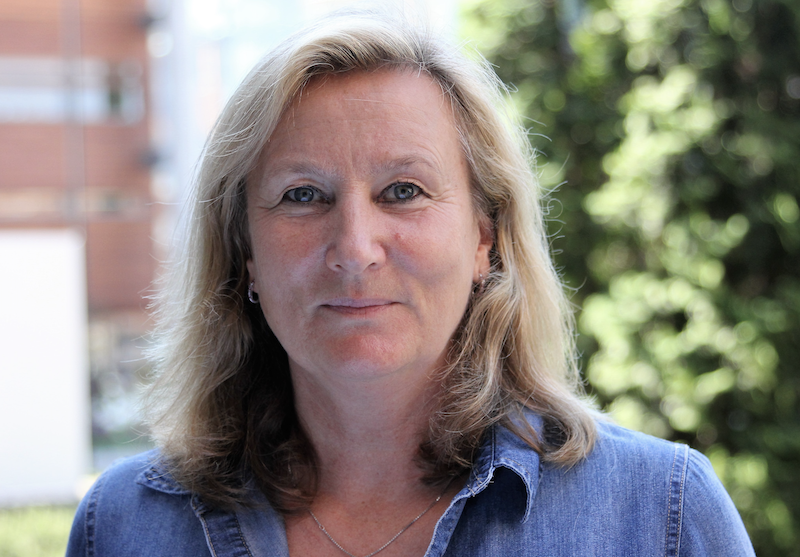
Here, lead author Kristin D. Martinsen, PhD, Regional Centre for Child and Adolescent Mental Health, Oslo, Norway, explains the surprising outcomes of the study, practical applications for clinicians, and further research. See Part 1 of the Q&A to learn about the motivation for the study, the methods, and critical findings.
Q: Were any outcomes different than you expected?
A: While we had expected children in this age group to report mostly anxious symptoms, 50% of the children reported elevated levels of both nervous and depressive symptoms, and only 20.6% and 30.0% reported anxious or depressive symptoms only.
The parents reported generally lower symptoms than the children did. Although having multiple informants is often recommended to get an accurate picture of the child’s difficulties, parent-child disagreement is common. This discrepancy may however pose a challenge when running preventive interventions with children recruited based on self-rating, as parents may not be as motivated to engage in the program.
Q: Are there any practical applications of your findings for clinicians treating children with anxious or depressive symptoms?
A: It is important to ask the children themselves about their internalizing symptoms as adults (parents and teachers) may not be aware of the internalizing problems they experience. Furthermore, when children present with anxious symptoms it is important to also screen for depressive symptoms.
An intensive, but nonetheless time limited intervention, focusing on enhancing coping skills, cognitive restructuring and promoting approach behavior may produce a positive change for these children.
Q: Are you conducting any more research in this area, and are there any other studies you feel are needed?
A: There is still a lack of knowledge regarding the active ingredients in such an intervention and we would like to optimize the intervention provided to enhance the possibilities for implementation in first line services. To this extent, we just started a large new study aiming to recruit N=1000 children the next 2.5 years. The study has a factorial design with 3 factors that we are examining. With this design we will try to answer questions related to the importance of parental involvement when preventing anxiety and depression in children, if providing feedback to group leaders can improve outcome, and if we can achieve similar results and improve implementation when half the sessions are provided in a group and half the sessions are provided digitally.
We are also currently trying to get funding for a long-term (5-year) follow-up, to see if the intervention can provide true prevention effect with the children maintaining their reduced symptom levels and having reduced risk for an anxiety and/or depression diagnosis.
Q: Any final thoughts pertaining to this research?
A: It is important to prevent and treat anxiety and depression in children as these problems are prevalent, reduce the children’s functioning, and come at a high cost to society. Given the increased risk of mental health problems following the pandemic, the importance of such efforts will only increase in the future.
Reference
Kristin D. Martinsen, PhD, is a clinical psychologist and researcher at the Regional Centre for Child and Adolescent Mental Health, Eastern and Southern Norway, RBUP, Oslo, Norway, and Associate Professor, Department of Psychology, University of Oslo, Norway. She conducts research on the prevention, early intervention, and treatment of internalizing disorders in youth. Dr. Martinsen is interested in evidence-based practice and that such interventions are implemented in mental health services. She has developed cognitive behavioral therapy-based interventions targeting children and adolescents in collaboration with US experts in the field. Martinsen has contributed to and edited books and chapters in clinical psychology.