


Intervention Targeting Emotions May Improve Depressive Symptoms, Self-Esteem in Children
(Part 1 of 2)
Participating in an intervention targeting emotional symptoms may have a positive effect on the quality of life and self-esteem of schoolchildren, in addition to reducing depressive and anxious symptoms, a clustered randomized study published in BMC Psychology found.
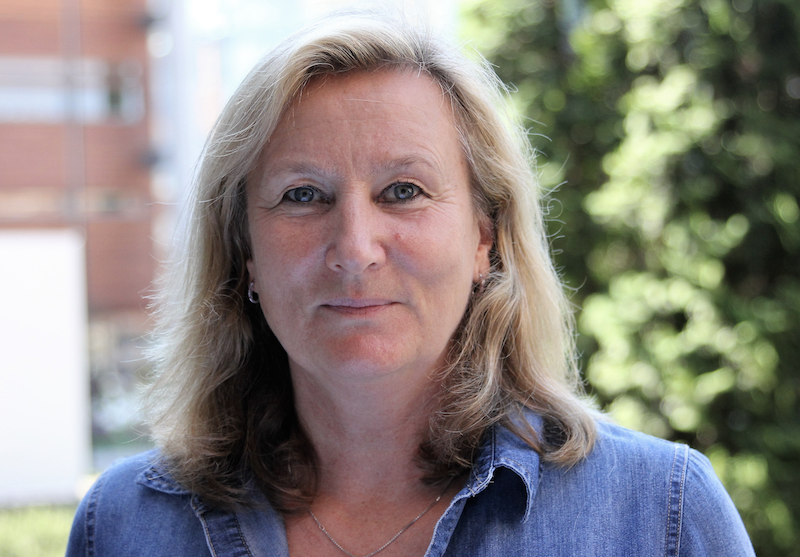
Here, lead author Kristin D. Martinsen, PhD, Regional Centre for Child and Adolescent Mental Health, Oslo, Norway, explains the study’s impetus, the methods, and critical findings. In Part 2 of this Q&A, she discusses surprising outcomes, practical applications for clinicians, and further research.
Q: What led you and your colleagues to conduct this research?
A: In our research group, we have been interested in evidence-based interventions and evaluating these in the last decades. The high prevalence rates of anxiety and depression in children, the high comorbidity of these disorders, and the similar components in interventions targeting internalizing disorders in children, led us to develop a new transdiagnostic intervention in close collaboration with US experts in the field: Dr. Philip Kendall, Temple University, Pennsylvania, and Dr. Kevin Stark, University of Texas at Austin.
The program, called “EMOTION, Kids Coping with anxiety and depression” integrated core components from existing evidence-based programs. Workbooks are provided for children and their parents, and manuals to run parent and child groups are provided for group leaders. To prevent problems from developing into disorders, the interventions were offered as an early intervention in the school setting.
Q: Please briefly describe the study method and participants.
A: A clustered randomized design was used with schools as the unit of randomization. Children and parents were informed about the study, then children experiencing symptoms of anxiety and/or depression, with parental consent, were screened. Children (N = 1686) aged 8 to 12 years in 36 schools completed screening using the Multidimensional Anxiety Scale for Children (MASC) and the Short Mood and Feelings Questionnaire (SMFQ). Scoring 1 standard deviation above a population-based mean on anxiety and/or depression, 873 children were invited to participate. Intent-to-treat analyses were performed, and mixed effects models were used.
Q: Please briefly describe the most significant finding(s).
A: Analyses revealed significant reductions of anxious and depressive symptoms as reported by the children, where children in the intervention condition had almost twice the reduction in symptoms, compared with the control condition. Parents reported a significant decrease of depressive symptoms in the intervention condition, compared with the control condition, but did not report a significant decrease in anxious symptoms.
We found that the results were maintained 1 year after the intervention was completed.
For secondary outcome measures, we found a large and significant increase in quality of life and self-esteem for both genders and older children who received the intervention, compared with the children in the control condition. This change was largest for children reporting both anxious and depressive symptoms. Reductions in symptoms of anxiety and depression partially mediated the change in quality of life and self-esteem.
References
Kendall PC, Stark KD, Martinsen K, et al. EMOTION: “Coping kids” managing anxiety and depression; groupleaders manual. Ardmore, PA: Workbook Publishing; 2013
Kendall PD, Hedtke KA. Cognitive-behavioral therapy for anxious children: Therapist manual (3rd ed.). Ardmore, PA: Workbook Publishing; 2006.
Stark KD, Simpson J, Schoebelen S, et al. Treating depressed youth: therapist manual for ACTION. Ardmore, PA: Workbook Publishing; 2007.
Kristin D. Martinsen, PhD, is a clinical psychologist and researcher at the Regional Centre for Child and Adolescent Mental Health, Eastern and Southern Norway, RBUP, Oslo, Norway, and Associate Professor, Department of Psychology, University of Oslo, Norway. She conducts research on the prevention, early intervention, and treatment of internalizing disorders in youth. Dr. Martinsen is interested in evidence-based practice and that such interventions are implemented in mental health services. She has developed cognitive behavioral therapy-based interventions targeting children and adolescents in collaboration with US experts in the field. Martinsen has contributed to and edited books and chapters in clinical psychology.