


Health Equity
In this episode, Dr Martin speaks with Yvonne Commodore-Mensah, PhD, MHS, RN, regarding barriers to health equity affecting women and minorities, as well as gaps in implementing guidelines in cardiovascular medicine.
Additional Resources:
- Tsao CW, Aday AW, Almarzooq ZI, et al. Heart disease and stroke statistics-2022 update: a report from the American Heart Association. Circulation. 2022;145(8):e153-e639. doi:10.1161/CIR.0000000000001052
- US blood pressure validated device listing. American Medical Association. Accessed February 28, 2022. https://www.validatebp.org/
- City Health Dashboard. NYU Langone Health. Accessed February 28, 2022. https://www.cityhealthdashboard.com/
For more content, visit our Health Care Disparities Resource Center.
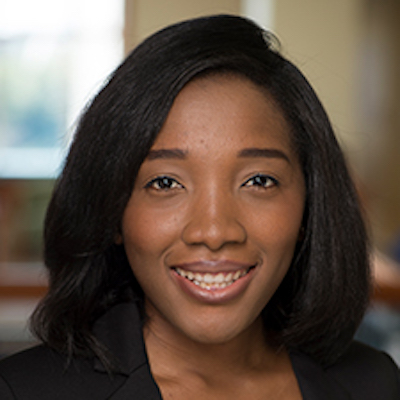
Yvonne Commodore-Mensah, PhD, MHS, RN, is a cardiovascular nurse epidemiologist at Johns Hopkins Hospital and an assistant professor of nursing at Johns Hopkins University in Baltimore, Maryland. She is the principal investigator of the LINKED-BP and LINKED-Heart trials.
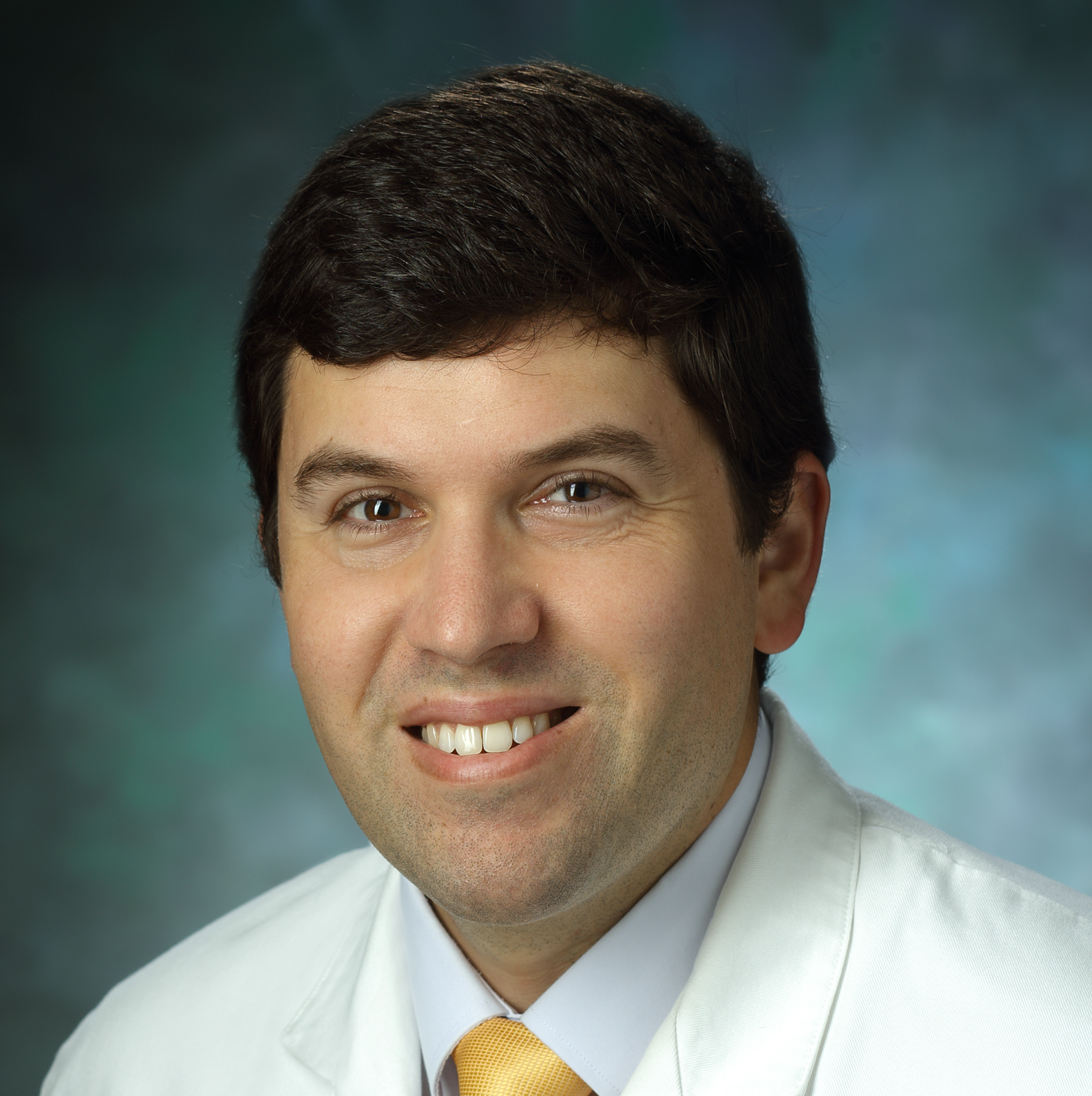
Seth Martin, MD, MHS, is a preventive cardiologist and an associate professor of medicine in the Division of Cardiology, Department of Medicine, at Johns Hopkins University School of Medicine in Baltimore, Maryland. He is the director of the Advanced Lipid Disorders Program and Digital Health Lab at the Ciccarone Center for the Prevention of Cardiovascular Disease. He is also the center director and the principal investigator of the mTECH Center, part of the AHA Health Tech and Innovation Network.
TRANSCRIPTION:
Moderator: Hello, and welcome to Cardio Care Now, a special podcast series led by our moderator, Dr. Seth Martin. Dr. Martin is a cardiologist and the director of the Advanced Lipid Disorders Program at Johns Hopkins Hospital in Baltimore, Maryland. The views of the speakers are their own and do not reflect the views of their respective institutions.
Dr Seth Martin: Thank you. I'd really like to welcome everyone to the Consultant360 Cardio Care Now Podcast. And this is actually really exciting because it's our first in the series of this podcast, which we hope will become a very rich resource for many who are part of the multidisciplinary care team for cardiac patients. And we're planning to have a number of hot topics in cardiovascular medicine. And as we get started here, I want to just focus first on health equity. So before we get into this topic, I'm just going to introduce myself and our distinguished guests, Dr. Yvonne Commodore-Mensah. So first, my name is Seth Martin. I'm a cardiologist at Johns Hopkins Hospital in Baltimore, Maryland, specifically a preventive cardiologist. And I also have roles in leadership with respect to our Advanced Lipid Disorder Center. And with respect to health technology, I look forward to sharing more about those roles in the conversation that follows.
Dr Seth Martin: Dr Yvonne Commodore-Mensah is a cardiovascular nurse epidemiologist at Johns Hopkins. She's an assistant professor and surely will be getting promoted soon in our School of Nursing. She's a core faculty in our Center for Health Equity, and she's a principal investigator on multiple really cutting edge clinical trials. And I've had the pleasure of getting to know Dr. Commodore-Mensah... We'll go with Yvonne, with first names moving forward. So I've had the pleasure of getting to know Yvonne through work of mutual interest in the world of cardiovascular disease, prevention and health equity. And through this work, I've learned so much about health equity from Yvonne, and I feel like it's really just changed my perspective, the way that I look at the world of cardiovascular medicine as a whole. And so I thought as we started off this podcast, and considering the enormous inequities that have been highlighted during the pandemic, that we really needed to start with equity first, because then look through everything through this equity first lens. So it's my great pleasure to welcome you, Yvonne. And I'm looking forward to our conversation.
Dr Yvonne Commodore-Mensah: Thank you so much, Seth. It's my pleasure to be with all of you today. To help frame our conversation, Seth, I think you asked that we talk about what we mean by health equity. So health equity is when every person or every individual has a fair opportunity to attain his or her or their health potential. And no one is disadvantaged from achieving this potential because of their social position or any other socially determined circumstance. Whether it's their income, their educational status, they should have an equal opportunity to attain health. However, we know that the reality in the US is very different, right? Health equity is something that we continue to strive for. Unfortunately, when you rank the US and compare the US to other high-income countries, we actually rank last on health equity, on health outcomes, on access to care, on administrative efficiency. So I'm so glad that we are having this kind conversation today to understand how we might put health equity first in all of the work that we do.
Dr Seth Martin: Absolutely. Thank you, Yvonne. I mean, this has such important implications for our day-to-day practice on the front lines of clinical, and also as we plan for new ways to deliver care. And as you mentioned, understanding what health equity is, I think, is really important upfront for all of us as we continue these conversations, because often there's terms of disparities, equality, social determinants of health, these different terms. And I think understanding what health equity is, is really important. So I appreciate you kind of level setting with us there. And it's about this opportunity to obtain optimal health. And you've also taught me that it's about having solutions that really are tailored to individuals rather than sort of a one-size-fits-all approach. Is that right?
Dr Yvonne Commodore-Mensah: Exactly. And as you said, so we have the term health disparities, we talk about health equity, social determinants of health. And so we know that health disparities are preventable differences that we see in the burden of disease. They are unfair, unjust, and these differences are avoidable. So health equity is a goal, but as you alluded to, there's a difference between equality and equity. From an equality perspective, we would be focused on giving everyone the same resources, but we have to acknowledge that, unfortunately, in our society, the playing field is not level. That there are many people who actually start off at a disadvantage, who don't have that generational wealth and may have very modest socioeconomic circumstances that get in the way.
Dr Yvonne Commodore-Mensah: And so there's a difference between, for instance, income and wealth. If you have wealth, you have this buffer. So in the event of a life circumstance or a crisis, you're able to withstand that event. But if you don't have that wealth, and we know that in the US, for instance, we have this black-white wealth gap, where white adults have 10 times the wealth of black adults. So when we consider this difference, it helps us to understand how some of our interventions, how some of our clinical strategies may not reach everyone and may not meet people where they are and help to eliminate those disparities and health outcomes.
Dr Seth Martin: Yeah. Thank you so much for enlightening us. And it's really striking to hear you say things like that we're, in our country, last when it comes to health equity. I mean, this should be really motivating for us all to more deeply understand the problems so that we can be part of the solution. And I think it'd be great in the conversation to come to maybe talk about some very specific examples of this, like a patient that you and I discussed early in the week. But maybe before we get to that, to still say a little bigger picture, could you speak to sort of some of the backgrounds that's led to you planning these really cutting edge clinical trials, the Linked Hearts and LINKED-BP trials? Some of the inequities that you've observed very specifically in the cardiovascular space as it relates to hypertension. And then maybe we can talk around those clinical trials, which I believe will inform the future of cardiac care.
Dr Yvonne Commodore-Mensah: Yes. I would say that we know that in the US, black people have higher mortality from heart disease than black people. And so heart disease we know is a leading cause of death in the US, but unfortunately, black people have higher mortality compared to other racial and ethnic minority groups. But I have to acknowledge that this disparity is not because of their skin color per se, but because of the social conditions, the economic policies and physical environments that impede their health. And so I've taken a particular interest in heart disease, and specifically hypertension. Why hypertension? We know that the greater disparity that we have in terms of cardiovascular disease is in hypertension related mortality. So where black people are more likely to die as a result of their high blood pressure.
Dr Yvonne Commodore-Mensah: And so I am really passionate about how we might work with communities and meet people where they are to reduce the burden of hypertension, improve blood pressure control by using community engaged strategies, working with faith-based organizations, collaborating with community health centers that are more likely to provide care to people who are living in poverty, people who are racial and ethnic minorities. So these are the settings and these are the opportunities that we have to make an impact. Hypertension and heart disease are my interests, but I would say that hypertension really is an opportunity for us to eliminate these disparities in cardiovascular disease.
Dr Seth Martin: Yeah, it's a massive issue. And there's been such tremendous gaps and we have such knowledge about how to treat hypertension, but these really persistent gaps overall, but then inequities that really continue to need really innovative solutions. And I would say, actually, for our audience, just to mention that both you and I had the pleasure of co-authoring the American Heart Association statistical document that was just released on January 26, which covers a lot of the details around the latest outcomes with respect to hypertension and other cardiovascular outcomes and details these inequities that you're speaking of across different social and economic groups.
Dr Seth Martin: So I think it's important for us to be aware of this. And this has inspired you to really put together some awesome teams and plan some innovative work with the Linked Hearts and LINKED-BP trials. So I wonder if you could share a bit more about those trials, what you're going to be testing, what the success will look like in those trials. And then maybe even speak to some of the specific case examples like the one that you and I discussed that really highlight these realities of trying to manage hypertension with barriers to accessing care.
Dr Yvonne Commodore-Mensah: Exactly. We know that hypertension is a major clinical and public health problem. So 47.3% of US adults, over 120 million adults have hypertension or high blood pressure. But as I alluded to earlier, the prevalence in black males is about 58.3%. And black females is almost 58% also. So there are disparities in the prevalence of hypertension. With that in mind, our team has designed two trials. One of them is called the LINKED-BP Program. It stands for home blood pressure telemonitoring linked with community health workers to improve blood pressure. And the goal here is to prevent hypertension.
Dr Yvonne Commodore-Mensah: We would like to enroll adults who have elevated blood pressure or untreated stage one hypertension. And our goal is to recruit them from community health centers, and 20 of community health centers. And we would like to recruit 600 participants and they'll be randomized into two arms. So the intervention arm will be a multi-level intervention that consists of community health workers. We know that community health workers are public health professionals that we can engage in the community to improve self-management, to improve access to care. And so we really think there's an opportunity to leverage this community resource to improve blood pressure control.
Dr Yvonne Commodore-Mensah: The intervention also consists of a mobile health telemonitoring app called Sphygmo, which is capable of being integrated with all validated blood pressure monitoring devices. And the third component is home blood pressure telemonitoring. So all participants will be provided with a validated blood pressure device. And so that will allow us to sync the app with the device and allow the community health worker to obtain access to their home blood pressure readings, to be able to provide feedback. And the community health worker intervention also consists of lifestyle counseling. And so the community health worker can have conversations with the participant about what they're doing to help lower their blood pressure.
Dr Yvonne Commodore-Mensah: What's their diet looking like? Are they lowering your intake of sodium, for instance? And our ultimate goal is to reduce the strong blood pressure. And we are fortunate that this project is funded by the American Heart Association. The second project is the Linked Hearts Program. And so it's a similar program, but this time focused on patients with multiple chronic conditions. So people diagnosed with hypertension, diabetes, or chronic kidney disease. And here the goal, again, is improving blood pressure control. We are also going to be recruiting participants from community health centers. And the intervention also consists of community health workers, the mobile health app, telemonitoring, plus engaging a pharmacist. So we know that when it comes to blood pressure control, there are many reasons why we don't achieve blood pressure control. And team-based care is a system level strategy to improve blood pressure control.
Dr Yvonne Commodore-Mensah: So we are hoping that by having a pharmacist on board, they may be able to help support the team in terms of intensifying treatment as needed. And this project is funded by the National Institute on Minority Health and Health Disparities. So these are the two projects that we have ongoing at the moment. And we are in the process of engaging stakeholders, identifying sites for this project. So, Seth, you also asked me to share a little bit about the experience we had this week for one of my projects, which is not the LINKED-BP or the Linked Hearts, but another faith-based project to improve blood pressure control and prevent diabetes. So we had a participant who showed up for the screening who had systolic blood pressure, over 150 diastolic, but it was 94 at that time. And it turned out that this person did not have health insurance.
Dr Yvonne Commodore-Mensah: And so as a participant in the program, we had access to their home blood pressure readings, and we noticed that his blood pressure was trending upwards. So it was in the 160s, 170s. So we called him and it turned out that he did go to urgent care. And although he requested that his medication be intensified or the dosage be increased, he said that there was a reluctance on the part of the clinicians to make any changes. And he was asked to go to the emergency room. And so he refused and he went home. And because he does not have health insurance, he ran out of his medications and that's why his blood pressure was so high.
Dr Yvonne Commodore-Mensah: And so, Seth, when I called you, I think one of the things we talked about was how it's often difficult to provide support to communities where we have these disparities in terms of healthcare access. Unfortunately, we know that in the US, there are over 30 million people who don't have health insurance, and that's one of the determinants of disparities in hypertension and other cardiovascular outcomes. And so fortunately, I was able to call a community health center that was close to him and they said they'll be willing to take him without having health insurance. And they would be it able to offer a sliding scale so that he would be able to get primary care.
Dr Seth Martin: Yeah. He's really lucky to have you and to have been [inaudible 00:15:40] in this study. And clearly, the consequences of this sustained severe hypertension are... There could be severe consequences from a cardiovascular standpoint in terms of risk of stroke and heart attack. And so he's lucky to have that, but it highlights kind of the challenges that are... He's just one of many patients that are struggling to get the tools that they need to be successful. And the way that our systems are designed, it's often not really meeting people where they are. So I think that you mentioned a number of... Just to reflect on some of the pieces that you shared here in describing the studies, I think there's a number of pieces that are very important to those clinicians currently on the front lines, including, you mentioned, the importance of using a validated blood pressure monitor.
Dr Seth Martin: And I would point, the audience, if you're not already familiar to validatebp.org is a nice website that covers the different blood pressure monitors that are approved for their accuracy. But then it is also important to provide some counseling on accurately measuring the blood pressure that gets built into your trial protocols that often in clinical practice is harder to do well, but there are nice resources, infographics from the American Heart Association and other organizations that could help provide education to patients on measuring their blood pressure well. And then when it comes to managing the blood pressure, you mentioned community health workers, pharmacists, and this team-based cardiovascular care model, I think, is really important because I think it really does take a village to help patients manage their blood pressure.
Dr Seth Martin: And what's been really interesting is some of these models that are community-based, one of the most famous examples being the barber shop example, where pharmacists were involved in barber shops to help really meet people where they are, rather than them having to come to a hospital or clinic to get their blood pressure monitored and treated. And I think I would encourage everyone to really get to know your local American Heart Association. Yvonne, you and I have both become members of our local American Heart Association board. We have research with American Heart Association, and there's just all sorts of opportunities to advocate, in your community, for better access. Right now, for example, we're working on getting better access through legislation related to blood press monitors, just so people can have them covered through Medicaid.
Dr Seth Martin: So there was a number of, I think, important points you had there, but the one thread that I want to start following up on in more detail is the technology thread. You mentioned the Sphygmo app is being used for blood pressure monitoring. And in general, health technologies are leading to the ability to manage things more at home and really empowering patients there at home and in the community. You obviously have so much expertise here, and could be great to get your latest thoughts on the emerging role of technologies. It's such as smartphone apps as a tool to level the playing field and to deliver those tailored solutions that we were talking about at the beginning of the conversation and understand where you think the greatest potential is here, but also some of the challenges, the digital divide and how we can address that.
Dr Yvonne Commodore-Mensah: Right. And as you said, Seth, we know that technology can be a tool that can be deployed to enable access to care. And unfortunately, we know that in the United States, there's what we call a digital divide, where there are differences in terms of those who have computers and online access, and those who don't. And this is a persistent threat to achieving equity to healthcare access in the US. And we also know that the disparities that we see in broadband access, they actually mirror health disparities in the US, where racial and ethnic minority groups have access to broadband. And a couple of shocking statistics, so we know that although about 30% of households in the US lack broadband access, in low income populations, that percentage is much higher. So about 59% of homes with a household income of less than 20,000, or 46% of African American households lack broadband access.
Dr Yvonne Commodore-Mensah: So in the context of the recent expansion in telehealth, many of us have expressed concerns about how this expansion may further contribute to disparities, where there are people who will not have the same opportunity to have a video visit or to have a visit at all if telehealth is the only option. And so it's something we can't take for granted that telehealth, for instance, may reduce or exacerbate disparities and access to quality of care. But if we do this right, it has the potential to enhance access. So patients can access clinicians wherever they are and not have to worry about having transportation, finding childcare, taking time off. So we know that people who have lower income are less likely to have jobs that allow them to take sick leave, right? So telehealth has that opportunity to expand access, but it's not a given. It's something that we have to ensure that we are all providing equal access to technology.
Dr Yvonne Commodore-Mensah: So telehealth is one of them, but you alluded to this point, Seth, earlier of mobile health technology. So we know that mobile phones are ubiquitous and racial and ethnic minorities are more likely to rely on their mobile phones for health information. So that's an opportunity. However, people also do run out of data, right? So it's one thing to have a smartphone and it's another thing to have sufficient data to allow you to participate in a telehealth visit or to be able to use your smartphone. And so I think all of this points to the fact that technology... But we also have to [inaudible 00:22:05] disparities may exist, and actually we provide or implement strategies to [inaudible 00:22:12], right? To enhance digital literacy. So it's one thing to be given a smartphone or a tablet, but it's another thing to actually know how to use the technology well. And so we have to make sure that we provide the resources, whether it's training, engaging community health workers, provide support in terms of connecting for telehealth visits and being able to receive care in a timely manner.
Dr Seth Martin: These are really critical points. And I think for cardiac care clinicians on the front lines of care, that understanding technology those that are out there and how we can best support our patients is now clearly very much a part of a routine clinical care. As we kind of draw to a close here, I wanted to get your... And first of all, thank you for being our first guest on this Cardio Care Now podcast to really shine a light on health equity and help us think through hot topics in cardiovascular medicine with an equity first lens. As we all try to understand better and really take a part in advancing the mission of equity and cardiovascular health, what would be a resource that you'd suggest that we turn to?
Dr Yvonne Commodore-Mensah: Well, there are a number of resources available to help us understand how we might advance health equity, but one that I would like to highlight is the City Health Dashboard. So this is a resource that was launched in 2018 with funding from the Robert Wood Johnson Foundation. This dashboard or website has over 35 measures of health and drivers of health. So these social determinants for over 750 cities across the US. If you visit this dashboard, it gives you data on health outcomes, social and economic factors. So for instance, for social and economic factors, it gives you data on broadband access, the proportion of children living in poverty, high school completion rates. If you want to understand health behaviors, for instance, physical inactivity, smoking. If you enter a city that you are interested in, it'll give you all of this data. And I also like that this resource goes beyond providing data, but it also includes tools for driving change in communities.
Dr Yvonne Commodore-Mensah: So they also have information on what you can do, for instance, finding policies and programs to advance health equity, finding partners. So there are a lot of people in communities doing this work, but this resource also provides an opportunity to connect with like-minded people who are doing this equity work, also finding funding opportunities. So a lot of communities would benefit from funding opportunities and obtaining resources to provide more enabling services to the people who need them the most. And the last is measuring impact. This resource also talks about how we might track our impact and measure impact in order to advance health equity. So I'd encourage all of you to check this out, studyhealthdashboard.com, and it'll really give you a glimpse into your unique context to understand what the drivers of health outcomes are for your population.
Dr Seth Martin: Thank you so much, Yvonne. I've really enjoyed the conversation, and really am grateful to have you as a colleague, a resource, to really be able to benefit from your unique insights. I am looking forward to building on this conversation that we've had as this series goes on. And I think this has laid the perfect foundation for us to continue conversations in hot topics around cardiovascular medicine. Thank you so much, Yvonne.
Dr Yvonne Commodore-Mensah: Thank you so much for having me.
Moderator: For more cardiology content, visit our website, consultant360.com.