


Use of 3-Port Robotic Sleeve Gastrectomy Proves Safe, Efficient for Patients With High BMI
Key Highlights
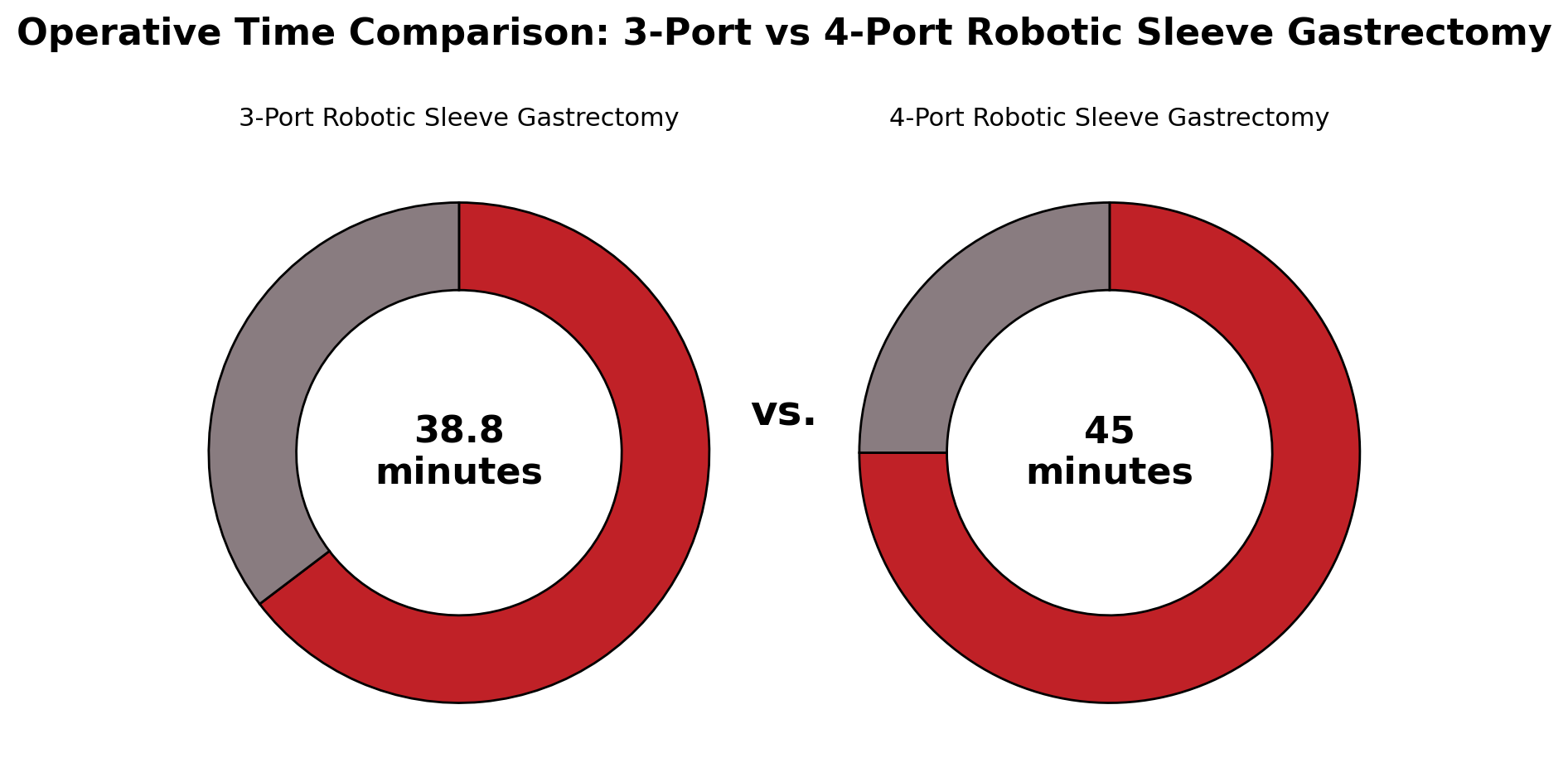
- 3-port robotic sleeve gastrectomy demonstrated shorter operative times compared to the traditional 4-port approach.
- Post-operative pain scores were lower in patients undergoing the 3-port procedure.
- No major complications were reported in either cohort.
- A reduction in direct material costs was observed with the 3-port technique.
The use of 3-port robotic sleeve gastrectomy offers a safe and effective option for patients with high BMI (BMI > 45), yielding improved operative efficiency and post-operative outcomes, according to a study presented at the 2025 American Society for Metabolic and Bariatric Surgery Annual Meeting in Washington, D.C. Compared with traditional 4-port methods, this approach was associated with reduced operative time, lower pain scores, and cost savings, without an increase in complications.
As robotic surgery techniques evolve, there is an opportunity to optimize patient outcomes while minimizing surgical invasiveness. This study evaluated whether reducing the number of ports in robotic sleeve gastrectomy could maintain safety and efficacy in this patient population.
Researchers compared outcomes between a novel 3-port robotic sleeve gastrectomy and a prior 4-port technique, which included a fifth port for liver retraction. Eighteen patients with BMI greater than 45 were selected for each cohort, matched for demographic similarity. The 3-port technique utilized a Veress needle for abdominal entry, a robotic port configuration, and suture-based liver retraction. Sleeve creation followed standard techniques with vessel sealing and stapling, and specimens were extracted through the 12mm port site.
Pre-operative BMIs ranged from 72 to 48 in the 3-port group and 70 to 46 in the 4-port group. Operative time averaged 38.8 minutes for the 3-port group versus 45 minutes for the 4-port group. All patients were discharged on postoperative day 1. The 3-port cohort reported an average pain score of 4, compared to 6 in the 4-port group. Fewer patients in the 3-port group required narcotic analgesia (3/18 vs 4/18). No major complications were observed in either group. Additionally, a direct materials cost reduction of $252.10 was achieved in the 3-port group.
“With robotic assistance, 3-port sleeve gastrectomy can be performed safely and effectively on high BMI patients,” the study authors concluded.
Reference:
Mcgowan A, Bashian C. 3 port sleeve gastrectomy using robotic assistance: a safe & effective method for high BMI patients. Presented at: ASMBS Annual Meeting; June 2025; Washington, DC. Accessed June 12, 2025. https://www.asmbsmeeting.com/event/2025/welcome.