


Anemia May Lead to Increased Risk for Dementia
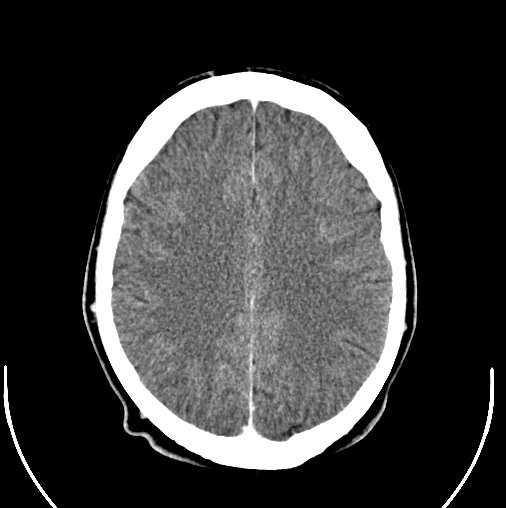 While there is still no test to determine if someone has dementia, a new study finds that older adults with anemia are at an increased risk for dementia.
In the initial Health, Aging and Body Composition study group of 2,552 dementia-free older adults (mean age 76.1 years), 15.4% or 392 patients were anemic at baseline. Anemia was defined as a hemoglobin concentration of <13 g/dL for men and <12 g/dL for women; dementia was defined as a score of more than 1.5 SD from mean on the Modified Mini-Mental State (3MS) scale.
Over the 11 years of follow-up, 455 (17.8%) participants developed dementia. Researchers found that those with baseline anemia had 23% risk of dementia vs. 17% for those without anemia. Furthermore, neither sex nor race impacted the risk of developing dementia.
“There are several explanations for why anemia may be linked to dementia. For example, anemia may be a marker for poor health in general, or low oxygen levels resulting from anemia may play a role in the connection. Reductions in oxygen to the brain have been shown to reduce memory and thinking abilities and may contribute to damage to neurons," said study author Kristine Yaffe, MD, of the University of California San Francisco and a member of the American Academy of Neurology.
Researchers concluded that the next step includes further studies to determine whether monitoring anemia can play a preventive role in treating dementia.
The complete study findings can be found in Neurology.
References:
1. Hong CH, Falvey C, Harris T, et al. Anemia and risk of dementia in older adults [published online ahead of print July 31, 2013] Neurology.