


Pain Severity as a Predictor of Emergency Department Visits in Patients With Ovarian Cancer
Key Findings
- 38.6% of newly diagnosed patients with ovarian cancer reported moderate-to-severe pain.
- Patients with moderate-to-severe pain had more than twice the odds of an emergency department (ED) visit compared with those without pain.
- Even mild pain increased the odds of an ED visit.
- Younger age, non-white race, chemotherapy or surgery, and advanced disease stage also raised the likelihood of ED utilization.
The results from a recent retrospective analysis conducted at Memorial Sloan Kettering Cancer Center in New York, NY indicated that three out of four patients newly diagnosed with ovarian cancer report experiencing pain, and those reporting even mild discomfort face significantly increased odds of visiting the emergency department (ED). Researchers found that moderate-to-severe pain was associated with a more than a two-fold increase in the likelihood of ED visits compared with patients reporting no pain. These study results were presented as a poster at the 2025 American Society of Clinical Oncology 2025 annual meeting in Chicago, IL.
Pain is a frequent and burdensome symptom among patients with cancer, and ED visits are a costly and often avoidable outcome. Despite the growing integration of patient-reported outcomes into clinical workflows, the predictive value of baseline pain for acute care needs remains underexplored, especially in the ovarian cancer population. This study sought to fill that gap by determining whether pain ratings collected within routine clinical practice could forecast ED utilization.
The study retrospectively analyzed data from 894 patients aged 18 years or older who were treated for ovarian cancer between 2019 and 2024. To be included, patients needed to complete a pain survey within 6 months of diagnosis, undergo all or part of their first-line treatment at the institution, and have at least 6 months of follow-up data. Pain levels were self-reported using a 0-10 scale and categorized as none, mild (1-3), or moderate to severe (≥ 4). The primary outcome was the incidence of at least one ED visit within 6 months following the pain survey. Multivariable logistic regression was used to adjust for demographic and clinical confounders.
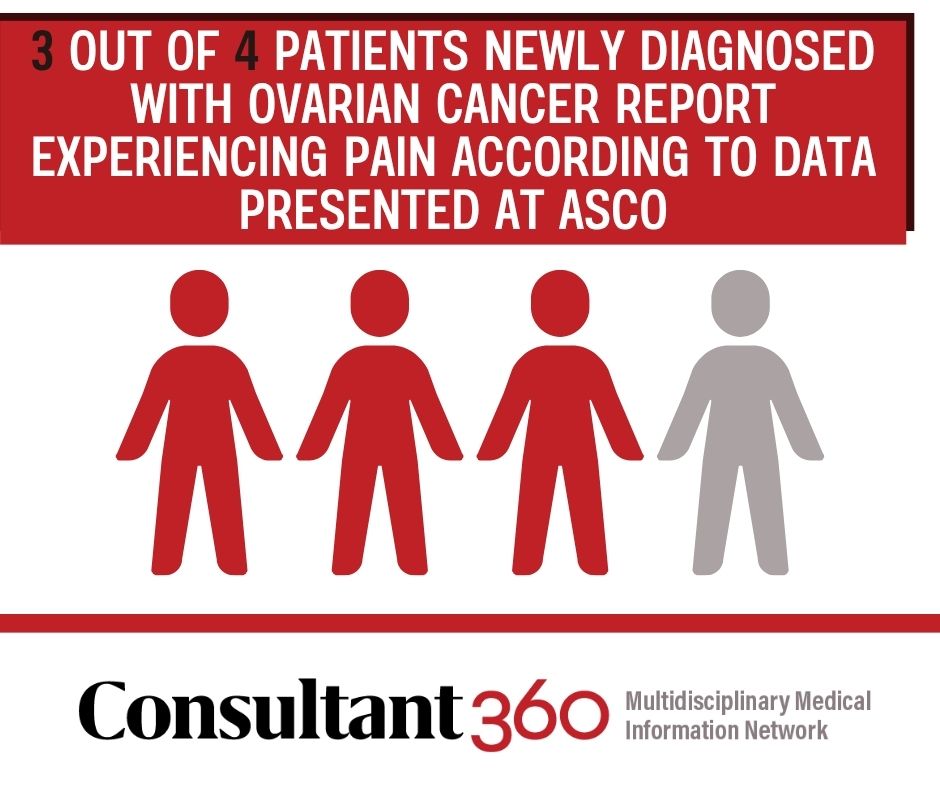
Among the participants, 37.0% reported mild pain, and 38.6% reported moderate-to-severe pain. Overall, 26.7% of patients visited the ED within 6 months. A significantly higher proportion of patients with moderate-to-severe pain had ED visits compared with those with mild or no pain (34.8% vs. 26.0% vs. 15.1%, respectively; P < .001). Adjusted analyses confirmed that both mild (adjusted odds ratio [aOR], 1.77, 95% CI; 1.09-2.93) and moderate-to-severe pain (aOR, 2.28, 95% CI; 1.42-3.73) were significantly associated with increased ED utilization. Additional predictors of ED visits included younger age, non-white race, receipt of chemotherapy or surgery, and advanced disease stage.
“Our findings suggest that routinely collected pain scores could potentially be leveraged to identify at-risk population, improve pain management and reduce ED visits for people diagnosed with ovarian cancer,” the authors concluded.
Reference
Namoglu EC, Bryl KL, Lam CS, et al. Patient-reported pain and emergency department utilization in patients with newly diagnosed ovarian cancer: A retrospective cohort study. Presented at: 2025 American Society of Clinical Oncology (ASCO) Annual Meeting; 2025 May 30–June 3; Chicago, IL.