


Ketamine May Increase Availability of Serotonin 1B Receptors
A study recently published in Translational Psychiatry found that patients treated with ketamine had a significant increase in availability of 5-HT1B. Patients who received saline as a placebo did not have the same increase.
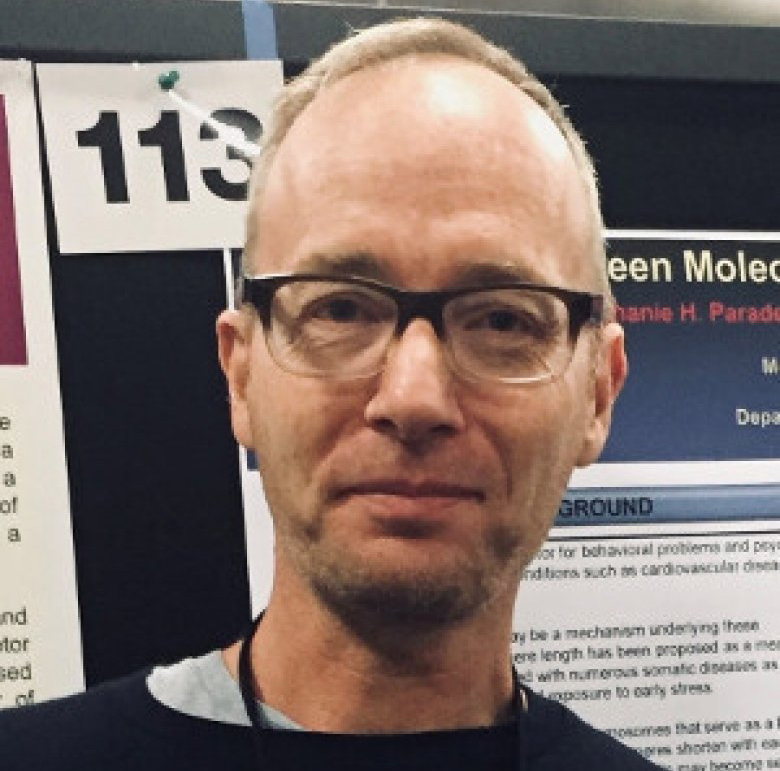
Here, researcher and author Johan Lundberg, MD, explains the study, a surprising result, and future research on the topic. Dr. Lundberg is Associate Professor, Department of Clinical Neuroscience, Division of Psychiatry, Karolinska Institutet, Stockholm, Sweden.
Q: What led you and your colleagues to research how ketamine works in the brain?
A: The overriding aim of our research is to improve the understanding of the biology of depression and its treatments. As ketamine has large and rapid antidepressant effects, but also suspected side effects involving abuse and possibly neurotoxicity, it is important to understand its mechanism of action, specifically in order to be able to develop alternative treatments sharing its benefits but not the drawbacks.
Q: Please briefly describe your study and its findings.
A: As it has been shown in rodents and in nonhuman primates that ketamine’s behavioral and key biological effects seem to be dependent on the serotonin 1B receptor, and as we and others previously have shown that patients with depression on average express lower levels of 5-HT1B receptors than controls do, we wanted to test the hypothesis that ketamine increases 5-HT1B availability in depressed patients. We explored this using Positron Emission Tomography (PET) and the radioligand [11C]10419369 to quantify 5-HT1B availability in the brain of 30 depressed patients before and 1-3 days after one dose of ketamine (N=20) or placebo (saline, N=10). We detected a significant increase in 5-HT1B availability in the ketamine-treated but not the placebo-treated patients. We also noted a correlation between the decrease in depressive symptoms and the increase in 5-HT1B availability.
Q: Were any of the outcomes particularly surprising?
A: It turned out that half of the saline-treated patients thought they had received ketamine. Given the well-known psychedelic effects of ketamine, we were surprised that the blinding was as effective as it obviously was.
Q: What are the possible near-term applications of these findings in clinical practice?
A: We are currently exploring if there are possible peripheral biomarkers in blood that can serve as proxies for PET-quantified 5-HT1B availability to facilitate a clinical application of our finding. Next we want to replicate our finding in a larger sample to be able to quantify the ROC characteristics of 5-HT1B binding as a biomarker to predict antidepressant effect.
Q: Are you conducting any other studies on this topic?
A: Yes and we will publish more data on the topic in upcoming years.
Q: Is there anything else about your research you would like to add?
A: We appreciate the interest our report has received. We think it is very important that the care of depression, being such an important cause of disability throughout the world, is improved rapidly.
Reference